The problem
Requirements in Word, tasks in spreadsheets, risks in someone’s head, stakeholders in email threads nobody read. A blocker took a day to reach the right person, and a traceability audit took weeks because nothing linked a requirement to a deliverable.
What we built
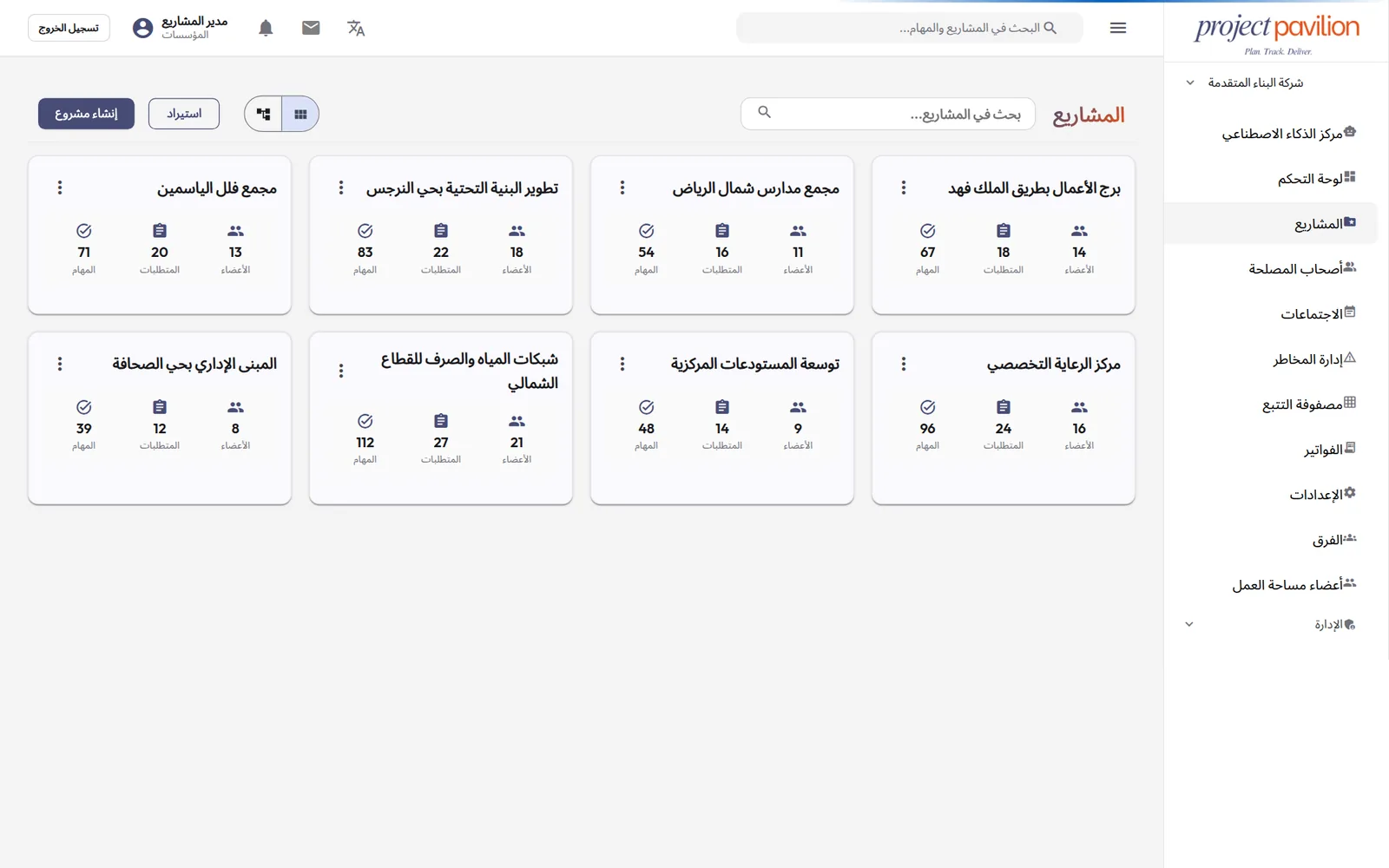
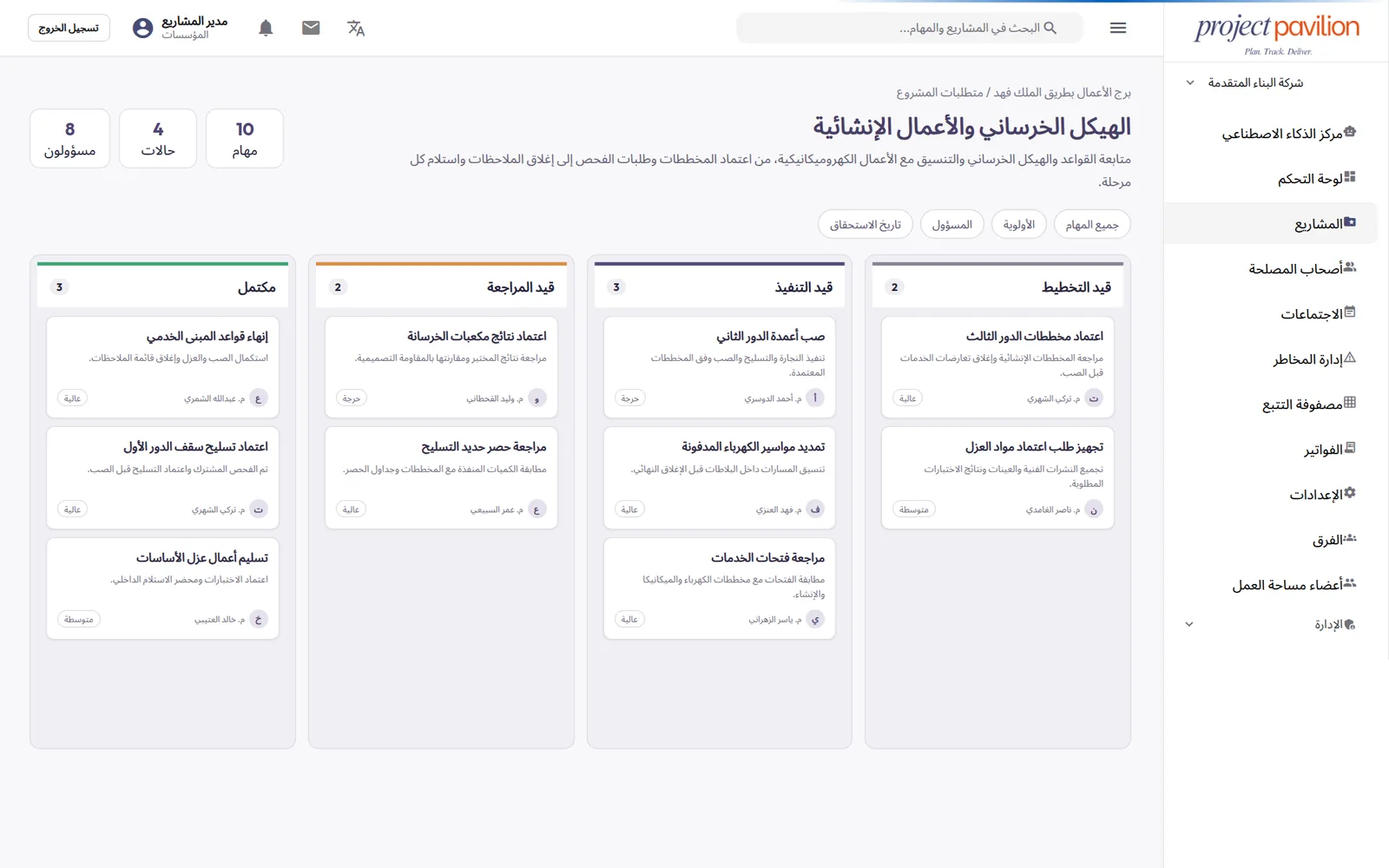
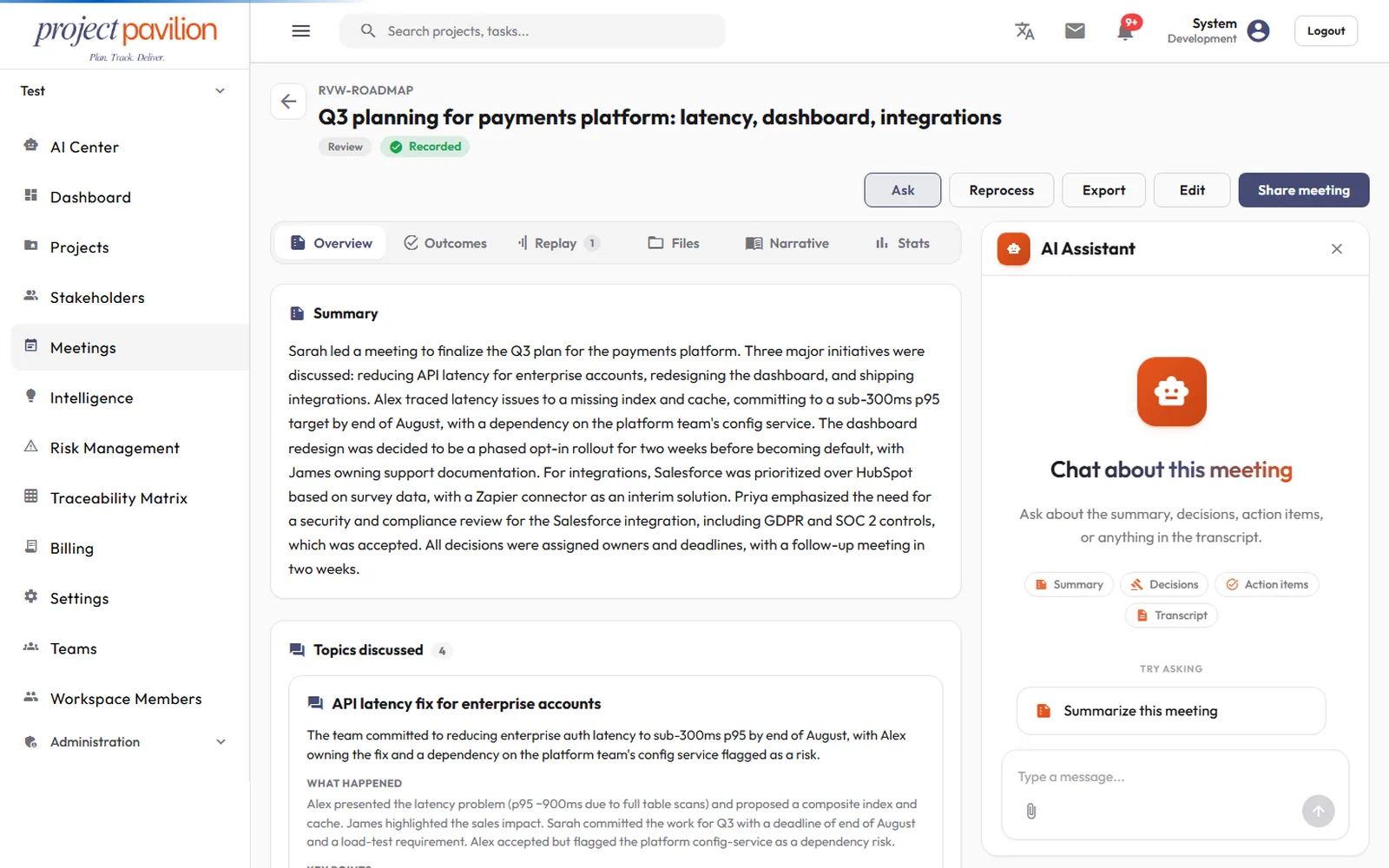
Nine modules in one platform: Kanban boards, requirements, a risk register with probability-impact scoring, stakeholder governance, meetings with action items, a traceability matrix, team workspaces, Stripe billing and a knowledge base.
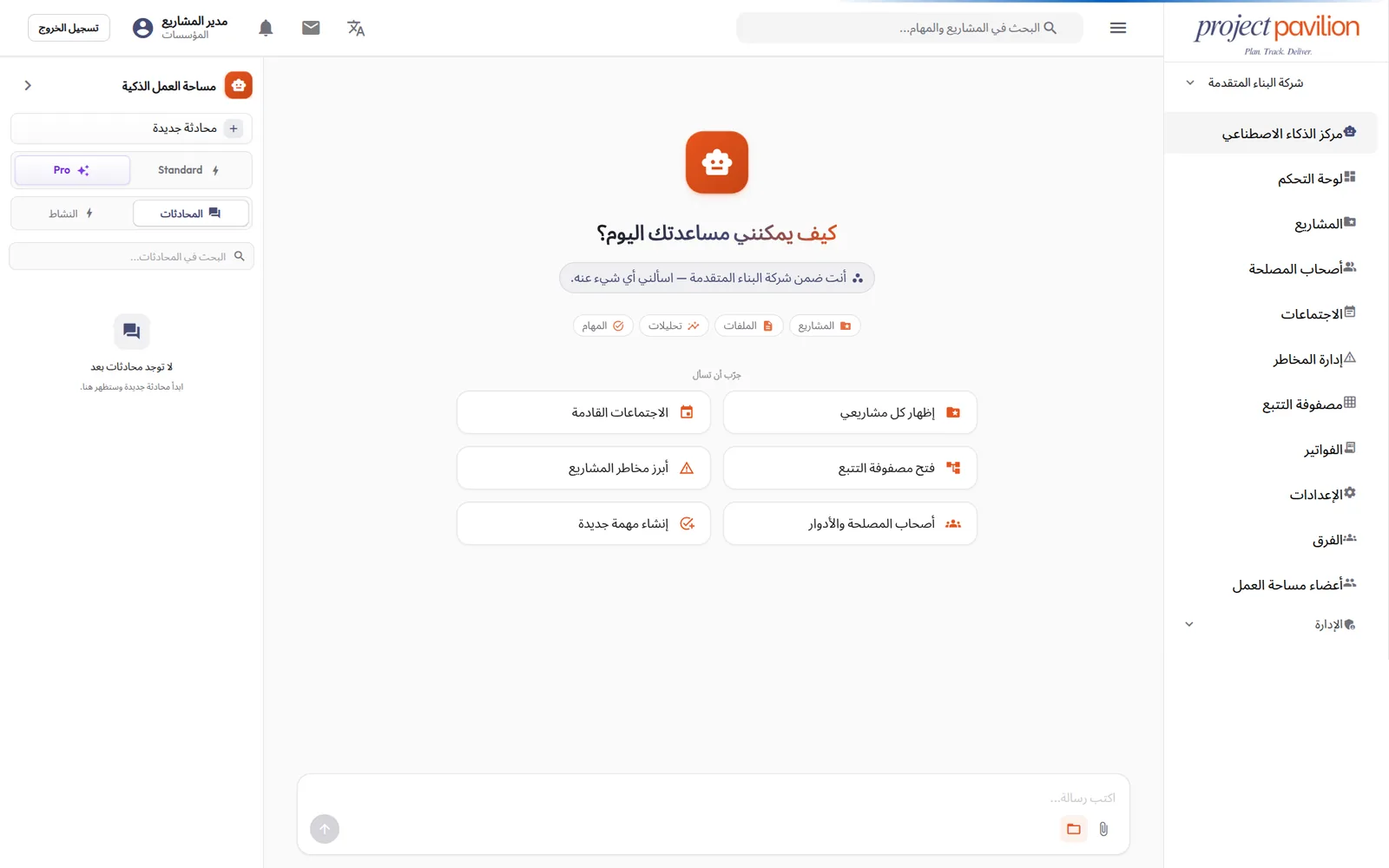
The co-pilot reads uploaded PDF, Excel and Word files and builds project structures from them. It answers from the project’s own content, and it cannot write anything without passing an approval step first.
Inside the system
- RAG over the project’s own files: upload → parse → chunk → embed → Qdrant. An edited document re-indexes on its own, not the whole corpus.
- When the embedding service is down, a failed re-index keeps the old vector and the chat answers without retrieved context instead of failing; record lookups fall back to SQL.
- Every AI-initiated write goes through a governance approval workflow.
- Answers stream over SignalR; conversation state lives in Orleans grains.
- Stripe billing with tiered plans, usage tracking and resource limits.
Screens